

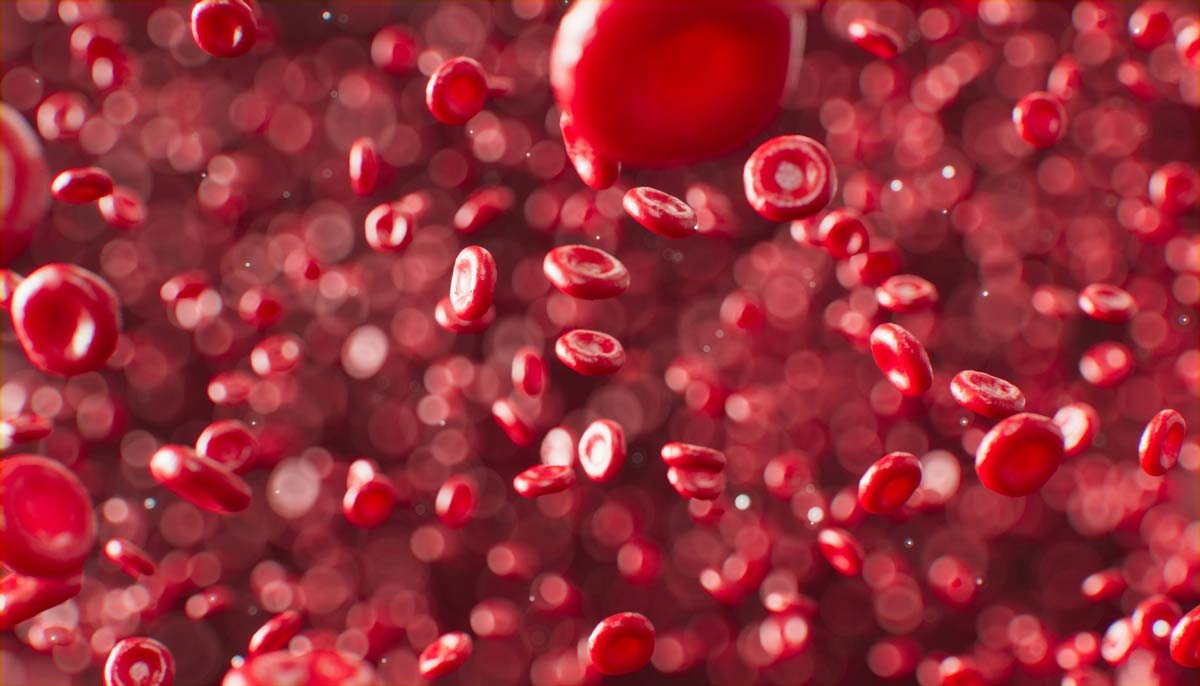
What is Feline PRCA?
PRCA stands for “Pure Red Cell Aplasia.”
It’s a rare and serious blood disorder where a cat’s bone marrow destroys premature red blood cells, effectively stopping red blood cell production before it is finished. Everything else in the bone marrow—white cells and platelets—may be normal, but red cell production essentially shuts down.
Since red blood cells carry oxygen, a cat with PRCA becomes severely anemic.
Immune-Mediated PRCA
When the condition is immune-mediated, it means:
The cat’s own immune system attacks the red blood cell precursors in the bone marrow. So the body destroys the cells before they can mature, leading to almost no new red blood cells being made.
This is similar to autoimmune hemolytic anemia, but in PRCA the destruction happens inside the bone marrow itself—not in circulation.
What Causes It?
Most cases are idiopathic (no known cause), but possible triggers include:
Viral infections (like FeLV, but many cats with IM-PRCA are FeLV-negative)
Medications
Vaccines (rarely)
Cancer
Severe immune system dysfunction
But immune-mediated PRCA is rare enough that many cases have no identifiable cause.

Diagnosis
Diagnosis usually involves multiple steps:
1. Bloodwork (CBC)
Very low red blood cell count, hematocrit, and hemoglobin
But white cells and platelets are normal
2. Reticulocyte count
These are “baby” red blood cells.
PRCA = almost zero reticulocytes, because the bone marrow isn’t making them.
3. Bone marrow biopsy or aspirate
This is the gold standard.
The vet sees:
Very few or no red blood cell precursors
Normal white cells and platelets
4. Rule out other diseases
Such as FeLV, FIV, infections, or cancer.
Treatment
Treatment depends on the cause, but for immune-mediated PRCA, the main approach is immunosuppression.
1. Steroids (prednisolone is most common)
To calm down the immune system so the bone marrow can restart production.
2. Additional immunosuppressants
If steroids alone aren’t enough:
Cyclosporine
Mycophenolate
Azathioprine (rarely used in cats)
Tacrolimus (less common)
3. Blood transfusions
Often needed early on to stabilize the cat, because red cell counts can be dangerously low.
4. Supportive care
Appetite support
B12 (cobalamin)
Treatment for any underlying conditions
Monitoring for steroid side effects